


-

Add: HeBei ShengShi HongBang Cellulose Technology CO.,LTD.
-

Email
13180486930@163.com -

CONTACT US
+86 13180486930
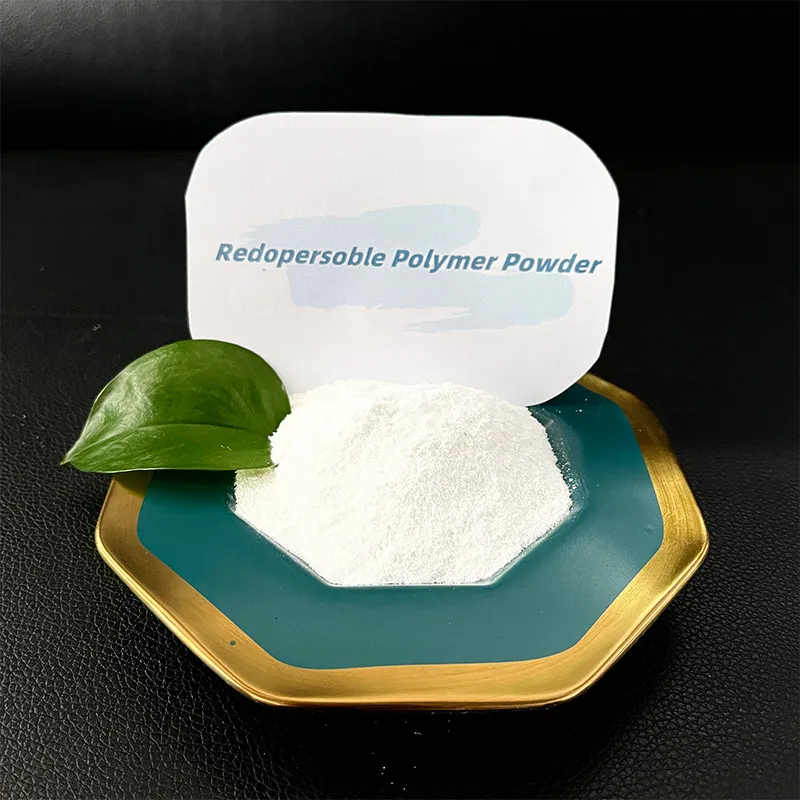

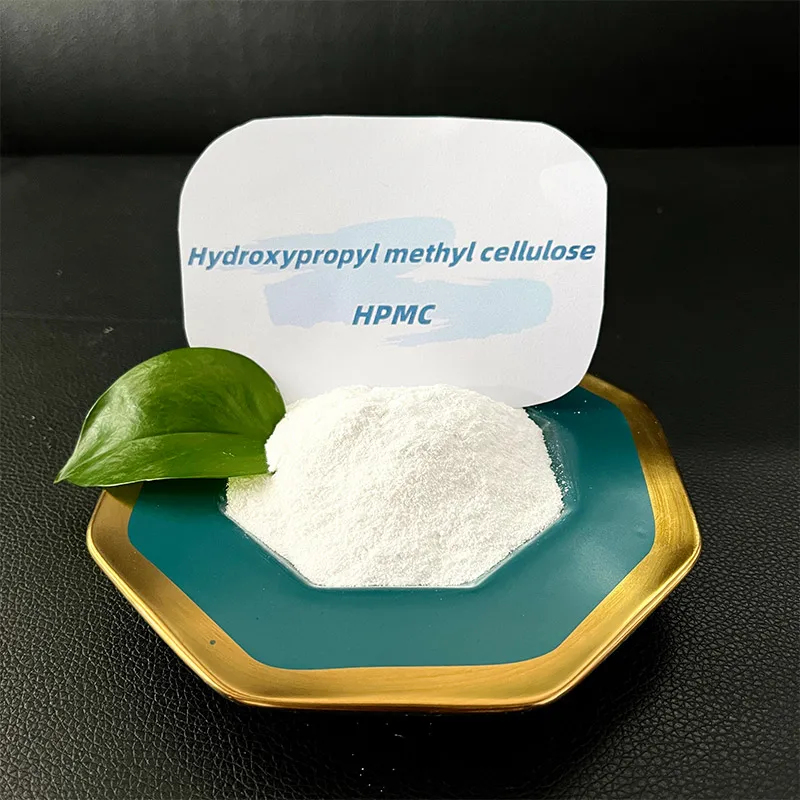


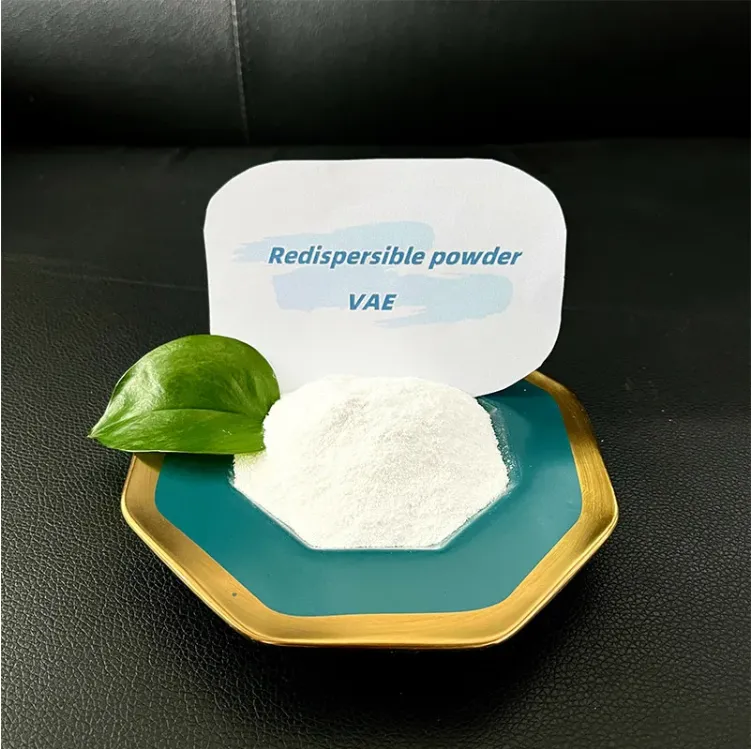


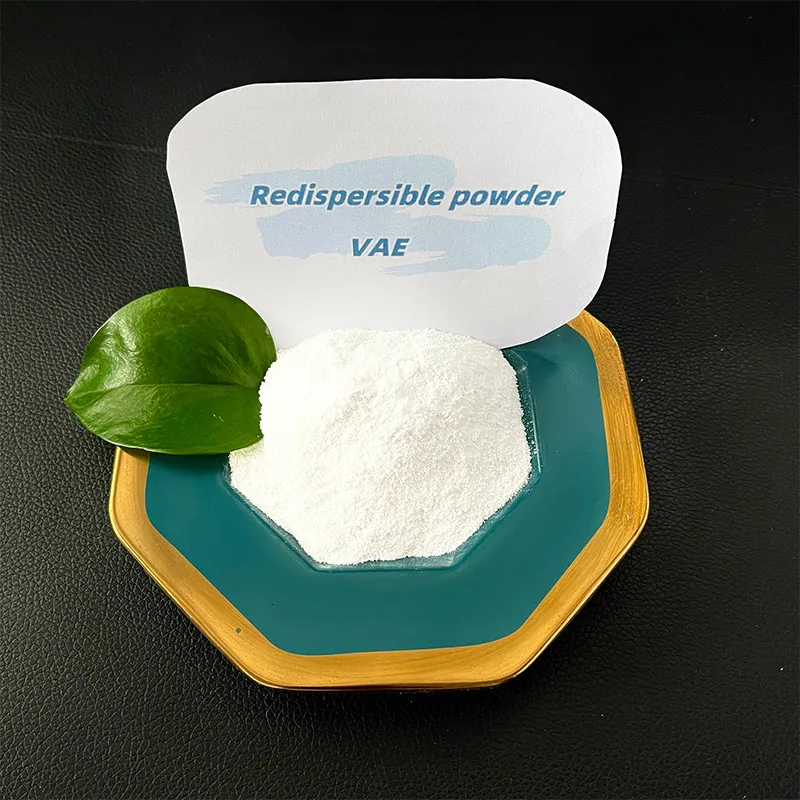
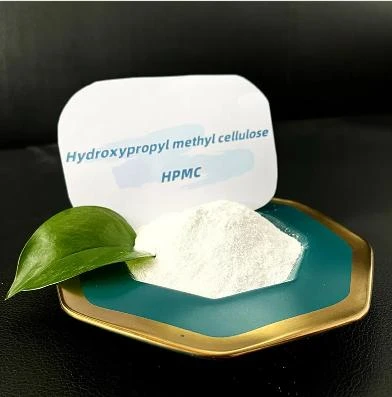
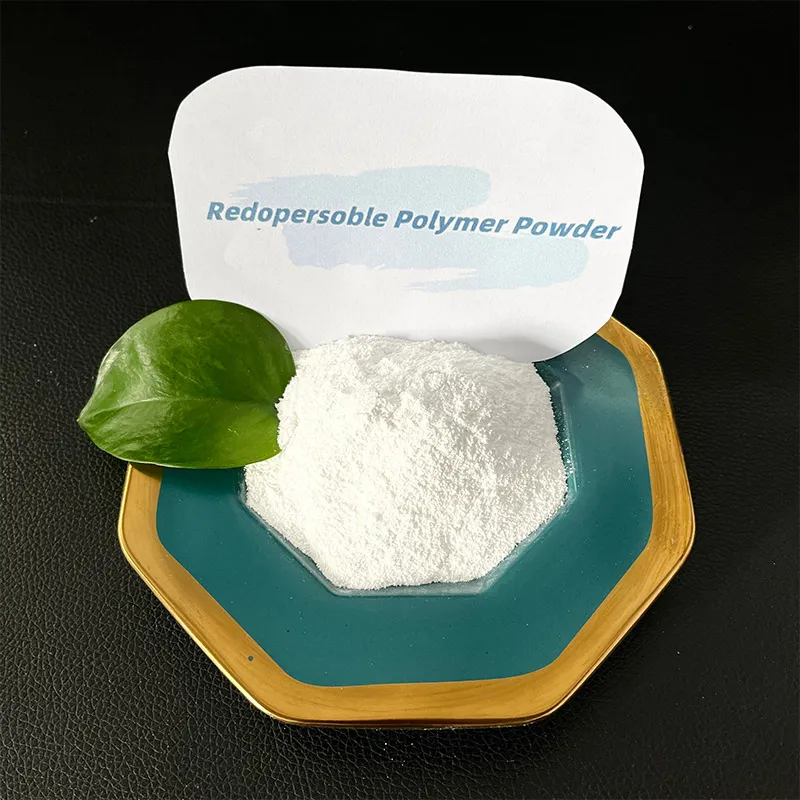
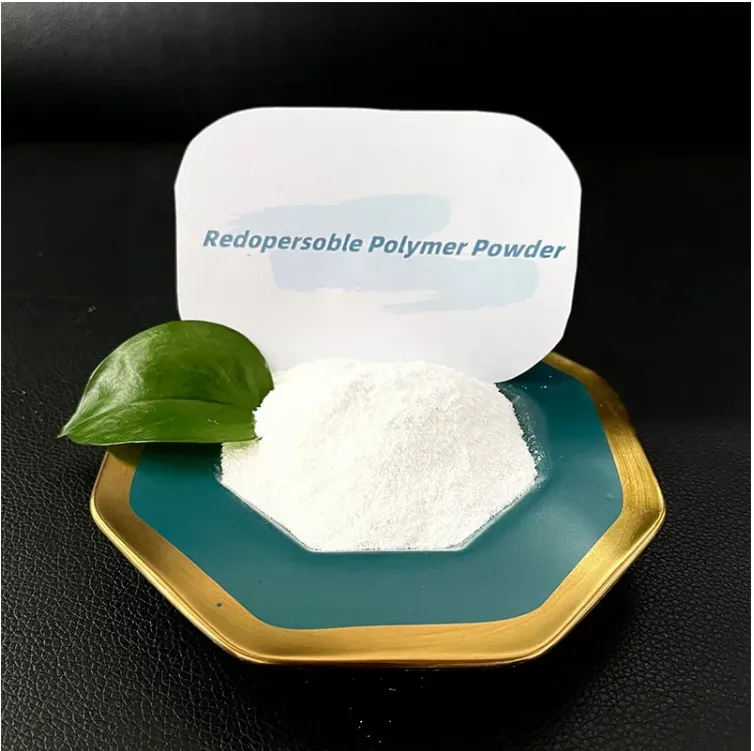
redispersible emulsion powder,redispersible latex powder,polymer powder,vae redispersible powder,redispersible powder is a key solution in the chemical industry industry, specifically within fine chemicals and Building Chemicals. This article explores how HeBei ShengShi HongBang Cellulose Technology CO.,LTD. supports professionals with durable, high-performance products, and explains why this product is an ideal choice for businesses in these sectors. Table of Contents redispersible emulsion powder,redispersible latex powder,polymer powder,vae redispersible powder,redispersible powder Overview Benefits & Use Cases of redispersible emulsion powder,redispersible latex powder,polymer powder,vae redispersible powder,redispersible powder in Building Chemicals Cost, Maintenance & User Experience Sustainability & Market Trends in chemical industry Conclusion on redispersible emulsion powder,redispersible latex powder,polymer powder,vae redispersible powder,redispersible powder from HeBei ShengShi HongBang Cellulose Technology CO.,LTD. redispersible emulsion powder,redispersible latex powder,polymer powder,vae redispersible powder,redispersible powder Overview Redispersible emulsion powder (often VAE redispersible powder) is a free-flowing polymer powder produced by spray-drying a waterborne emulsion and stabilizing it with a protective colloid. Upon contact with water, the redispersible latex powder forms a stable polymer dispersion that acts as a binder, improving adhesion, flexibility, and durability in cement- and gypsum-based systems. Typical building-chemicals grades are based on vinyl acetate–ethylene (VAE), with protective colloids such as PVA to ensure excellent redispersibility, workability, and storage stability. For formulators, this polymer powder enables targeted performance tuning—such as lowering minimum film formation temperature, enhancing tensile adhesion, improving deformability, and boosting abrasion resistance. Representative specifications include controlled particle size distribution, consistent bulk density, and optimized glass transition temperature (Tg) to balance flexibility and strength; specific values vary by grade and application and are provided on technical data sheets. HeBei ShengShi HongBang Cellulose Technology CO.,LTD. manufactures reliable VAE redispersible powder with tight quality control, multiple grades tailored to tile adhesives, skim coats, self-leveling underlayments, EIFS/ETICS systems, repair mortars, and waterproofing mortars—supporting consistent results from lab to large-scale production. Benefits & Use Cases of redispersible emulsion powder,redispersible latex powder,polymer powder,vae redispersible powder,redispersible powder in Building Chemicals In Building Chemicals, redispersible emulsion powder delivers measurable gains across many formulations. In tile adhesives, it improves wet and dry adhesion to challenging substrates, increases open time, and helps achieve slip resistance—facilitating upgrades from basic to higher performance classes. In EIFS/ETICS, VAE redispersible powder enhances flexibility and impact resistance of basecoats, helping systems tolerate thermal cycling. For skim coats and wall putties, polymer powder optimizes workability, reduces cracking, and improves surface quality. In self-leveling compounds, it strengthens cohesion, reduces dusting, and improves abrasion resistance without sacrificing flow. Cementitious waterproofing mortars benefit from reduced water permeability and improved crack-bridging. Key advantages versus alternatives include easy handling and dosing, excellent compatibility with cellulose ethers (such as HPMC), robust redispersibility, and proven performance in cement/gypsum matrices. HeBei ShengShi HongBang Cellulose Technology CO.,LTD. combines polymer know-how with application expertise, providing formulation guidance, rapid sampling, and consistent supply. Whether you need a flexible redispersible powder for deformable tile adhesives or a higher-Tg grade for abrasion resistance, our portfolio and technical service help B2B decision makers speed time-to-market and secure repeatable, specification-compliant outcomes. Cost, Maintenance & User Experience Total cost of ownership matters in competitive building chemicals markets. While unit cost of redispersible latex powder is higher than mineral fillers, the ROI comes from enhanced performance (better adhesion, crack resistance, cohesion), fewer jobsite callbacks, and upgraded product classifications that command price premiums. Improved workability and consistency also reduce production waste and simplify quality control. Many customers report smoother scale-up due to stable redispersibility and low dusting options that improve plant hygiene and dosing accuracy. From a maintenance perspective, polymer powder requires standard good practices: store sealed in a cool, dry area away from moisture; use on a first-in, first-out basis; and protect from caking. In finished products, the durability of VAE redispersible powder translates to longer service life for mortars and coatings, supporting life-cycle value. HeBei ShengShi HongBang Cellulose Technology CO.,LTD. offers grade selection support to optimize dosage—often in the 1–5% range depending on system—balancing performance and cost, and providing dependable logistics so your production schedules remain on track. Sustainability & Market Trends in chemical industry Sustainability is reshaping the chemical industry—especially in Building Chemicals, where low-VOC formulations, resource efficiency, and circularity are rising priorities. Redispersible powder helps by shipping the polymer “dry,” minimizing transport of water and reducing associated emissions. In many formulations, VAE-based polymer powder supports low-VOC targets and can help manufacturers design for compliance with evolving regional regulations. The shift toward energy-efficient buildings, renovation of aging infrastructure, and growth of EIFS/ETICS for thermal insulation are expanding the market for high-performance polymer binders. HeBei ShengShi HongBang Cellulose Technology CO.,LTD. invests in responsible production, quality systems, and continuous improvement to deliver consistent, high-performing redispersible emulsion powder solutions. By aligning portfolio development with standards and emerging regulatory expectations, and by supporting customers with clear documentation and technical data, we help B2B partners reduce risk, build greener products, and capture growth in premium segments. Our forward-looking approach ensures that both performance and sustainability requirements are met without compromise. Conclusion on redispersible emulsion powder,redispersible latex powder,polymer powder,vae redispersible powder,redispersible powder from HeBei ShengShi HongBang Cellulose Technology CO.,LTD. From tile adhesives and EIFS to self-leveling and waterproofing mortars, redispersible emulsion powder empowers Building Chemicals producers to achieve reliable adhesion, flexibility, and durability. HeBei ShengShi HongBang Cellulose Technology CO.,LTD. supplies high-quality VAE redispersible powder backed by application expertise and dependable service—helping B2B decision makers optimize performance, cost, and sustainability. Contact us: email: 13180486930@163.com Visit our website: https://www.sshbhpmc.com
- 40000tons

Production
- 20+years

Experience
- 5000+㎡

Acreage

-
Navigating the intricacies of starch ether pricing can be a challenging task, especially for businesses relying on its unique properties for various applications. As the demand for ecologically friendly and high-performance construction materials grows, understanding the factors influencing starch ether price becomes paramount. Let’s delve into the core variables affecting pricing and provide insights to aid companies in making informed purchasing decisions. Starch ether, a modified polysaccharide, is esteemed in industries such as construction, textiles, and adhesives for its ability to improve water retention, workability, and consistency. Its usefulness across sectors makes it a commodity whose price is shaped by numerous factors. The price of starch ether is intricately tied to raw material costs, primarily the price of native starches derived from corn or potatoes. Variability in agricultural output can influence supply levels; hence, fluctuations in crop yields due to weather conditions or export-import policies in major producing countries can significantly impact prices. For instance, a poor corn harvest season can drive up the cost of base starch, which in turn raises starch ether prices. Additionally, production costs are a crucial determinant. The conversion of native starch into starch ethers involves specialized technology and chemical treatments, which require steady investment into research and development to improve efficiency and sustainability of the process. As manufacturers strive to meet environmental standards, they often invest in greener production technologies. This transition may increase operational costs temporarily, thereby affecting the price point of the final product. starch ether price Another key element affecting starch ether pricing is the prevailing demand across industries . With increasing environmental regulations encouraging the use of biodegradable and non-toxic materials, starch ether sees higher usage in applications like sustainable packaging and construction. This heightened demand can create upward pressure on prices, especially if supply doesn't scale proportionately. Emerging markets and technological advancements further contribute to the price dynamics of starch ethers. Adoption in new geographical areas or industries can drive competitive pricing, while innovations that improve functionality or application efficiency can command a premium price. Being proactive, businesses can capitalize on these advancements either through strategic partnerships or by investing in cutting-edge starch ether products that provide enhanced value propositions. Global economic conditions also play a part in pricing. Exchange rate fluctuations can alter import and export dynamics, impacting prices for countries reliant on international trade for raw materials or finished products. Tariffs and trade agreements likewise shape the overall cost structure, influencing final market prices. In conclusion, navigating the pricing landscape of starch ether requires a comprehensive understanding of multifactorial influences. Businesses can optimize their purchase strategy by closely monitoring raw material markets, staying abreast of advancements in production technologies, and being alert to demand shifts in the global arena. By prioritizing transparency and building strong supplier relationships, companies can better manage cost variables and maintain competitive advantage in their respective sectors.
-
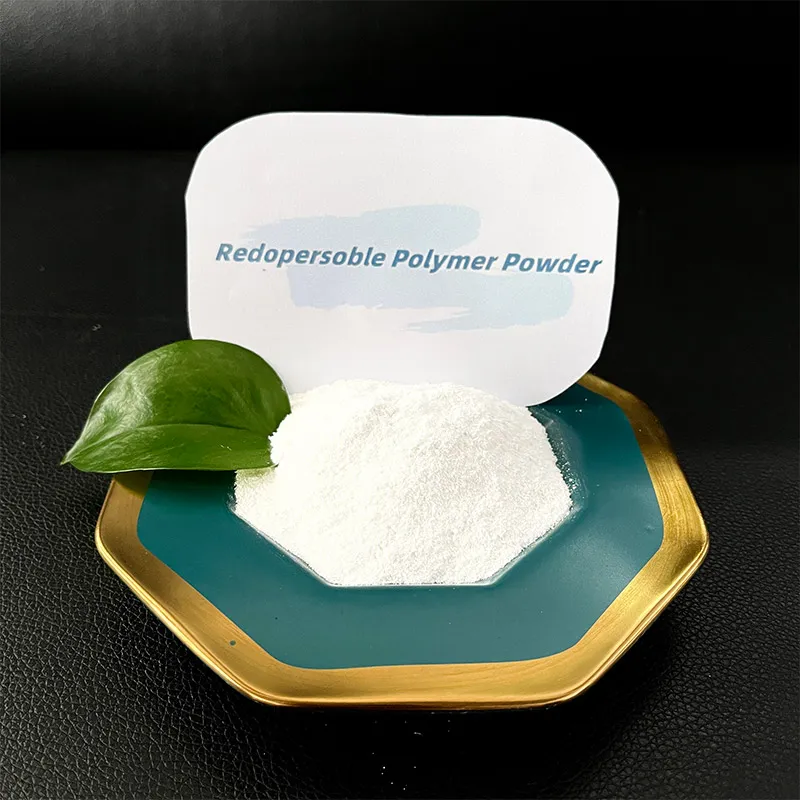
Hydroxypropyl methylcellulose, popularly branded as HPMC Methocel, is an indispensable additive in various industries, celebrated for its unique properties and versatility. Delving into the realm of this multifaceted compound reveals its profound impact across fields such as pharmaceuticals, construction, and food industries, thereby establishing its experience, expertise, authoritativeness, and trustworthiness. The pharmaceutical industry extensively leverages HPMC Methocel due to its role as a binder, film-former , and controlled-release agent. One of the compelling experiences reported by pharmaceutical manufacturers is its ability to improve the bioavailability of drugs. HPMC Methocel's high viscosity and gel-forming capabilities enable it to encapsulate drugs effectively, ensuring stable and efficient release rates. For example, in oral tablet formulations, its film-forming property not only protects the active ingredients from moisture and oxygen but also masks unpleasant tastes, enhancing patient compliance. Experts across various sectors regard HPMC Methocel for its stability and non-reactivity, which lends it versatility in product development. In the construction industry, this compound is utilized in cement and tile adhesive formulations, improving water retention and workability of the mixtures. This ensures a uniform curing process, directly contributing to the durability and strength of the finished structures. Construction professionals have observed that the use of HPMC Methocel in mortar applications results in superior board life and slip resistance, characteristics crucial for achieving high-quality finishes in tiling projects. Moreover, HPMC Methocel is a game changer in the food industry where it serves as a thickener, emulsifier, and stabilizer. Its safety and non-toxic nature anchor its acceptance in food-grade applications, where maintaining product integrity and palatability are paramount. Food technologists appreciate its role in reducing oil uptake in fried foods, creating low-fat alternatives without compromising on texture or taste. It is also indispensable in the formulation of gluten-free recipes, providing the much-needed viscosity and elasticity that gluten provides in regular recipes. hpmc methocel The authoritativeness of HPMC Methocel is seen in the rigorous testing and regulatory compliance it undergoes globally. It meets standards set by international bodies such as the FDA and European Pharmacopeia, underlying its trustworthiness and ensuring it is safe for consumption and use across different applications. This adherence to high norms further amplifies its reliability as an ingredient of choice among manufacturers focused on producing safe and effective products. For consumers and industry professionals alike, trust is a pivotal factor when considering any ingredient, and HPMC Methocel has consistently proven itself on this front. Continuous research and innovations have expanded its applications and improved its performance attributes, guaranteeing that while it remains a mainstay in current applications, its potential for new solutions is vast. This ongoing commitment to research and development solidifies its status as a trusted component in countless formulations and builds confidence across the supply chains that rely on its integrity. In conclusion, the multifaceted benefits and applications of HPMC Methocel underscore its positioning as a critical player in various fields. Its contributions extend beyond its immediate functional benefits to becoming an integral part of many manufacturing processes. With a strong foundation of experience, growing expertise, solid authoritativeness, and unwavering trustworthiness, HPMC Methocel continues to make strides in diverse industries, aiding the development of innovative products that meet evolving consumer needs and regulatory standards.
advantages
-

200000 Viscosities
Excellent product
We can produce pure products up to 200,000 viscosities
-

40000 tons
High yield
We don’t stop production all year round, and the annual output can reach 40,000 tons
-

24 hours
Quality service
We provide 24-hours online reception service, welcome to consult at any time
———— Inquiry Form
Schedule A services

-
 acid_modified_starch
Oct . 25, 2025
When it comes to pharmaceutical excipients that deliver on multiple facets of efficacy and safety, H -
 selulusa_kahoy_masilya
Oct . 25, 2025
When weighing the benefits of HPMC (Hydroxypropyl Methylcellulose) against HEMC (Hydroxyethyl Methyl -
 pp_concrete
Oct . 25, 2025
When it comes to versatile materials in various industries, HPMC Hydroxypropyl Methylcellulose stand


